
Selecting a quality exterior paint will protect your home during harsh weather conditions and ensure the longevity of the home. Choosing a high-quality paint will help the home look appealing for longer and protect siding from weather damage. Researching exterior paints can be like navigating through a maze. There are many paints that are branded as durable, long-lasting, resistant to fading, and intended for exterior use, so how do you know which ones truly offer what the label says? We will look at different paint materials and bases, as well as other factors to look for when finding a paint to protect your home from harsh weather.
Factors To Keep In Mind When Choosing Exterior Paints
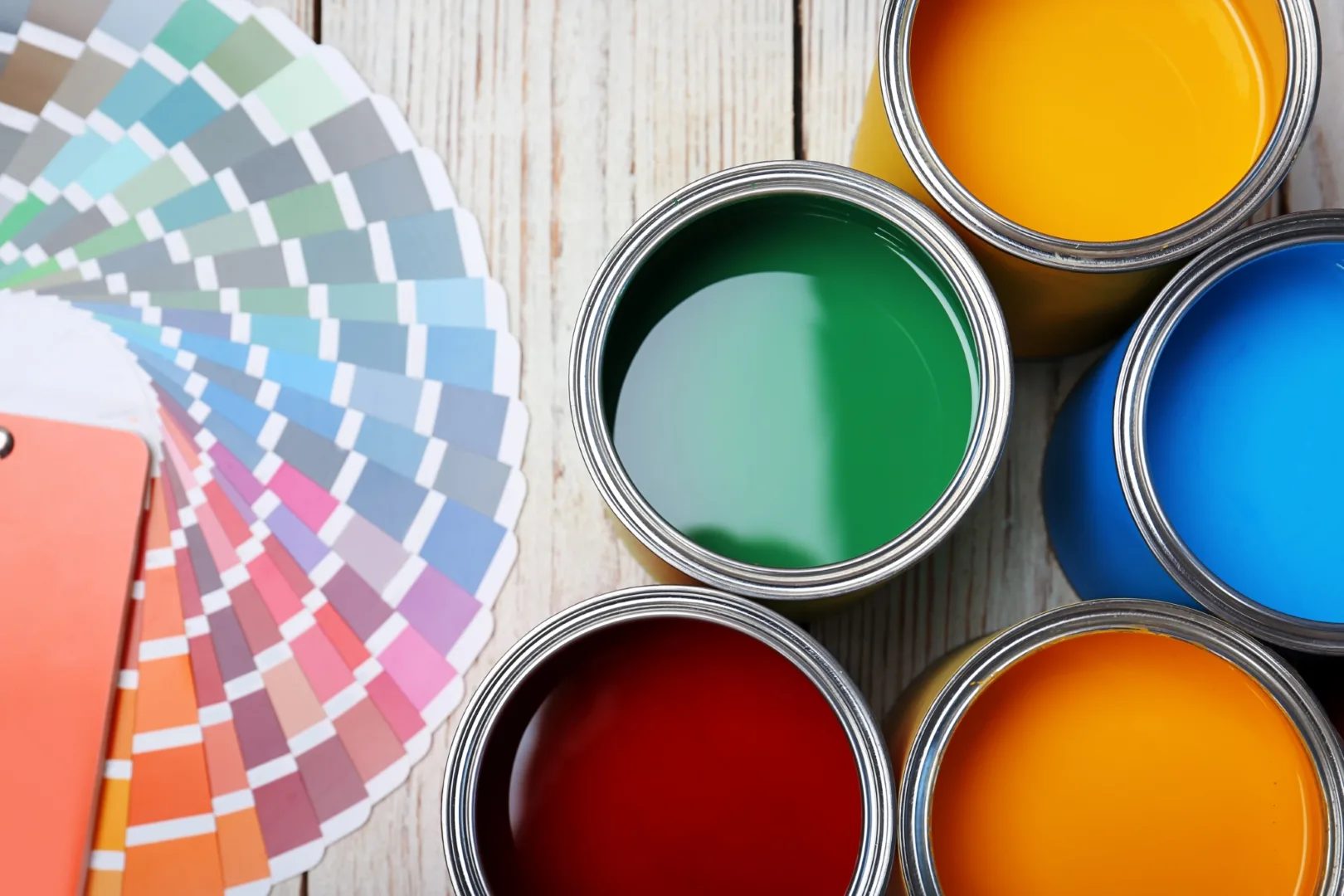
Different climates and weather patterns will determine what exterior paint you should choose for your home. Some factors to keep in mind when looking for exterior paints include sun exposure, humidity, and temperature fluctuations.
Sun exposure is one of the biggest factors in the deterioration of a home. UV rays can cause weakening, discoloration, and cracking. Opening for sun-resistant paints or ones that list UV protection will keep your home from degrading too quickly. It can also help to choose light paint colors such as beige, grey, or white. These reflect sunlight and slow the warping of exterior materials.
A paint that is resistant to moisture should also be considered when looking for options for exterior paints. Certain paint bases are more resistant to moisture than others, so if your home is in a place where snow and rain are prevalent, you should choose an exterior paint that is more resistant to water than any other type of weather. In contrast, homes that see more hot temperatures and sun should choose a paint that is resistant to abrasions, fading, and cracking.
Acrylic-Based Paints
Exterior paints with an acrylic base are a durable paint type that is resistant to sun damage. Acrylic paints will hold their color even after high sun exposure, are resistant to flaking and cracking, and don’t blister over time in hot climates. One element that makes acrylic paint stand out among other paint types is its flexibility. The paint can stretch and contract more easily with the temperature, reducing the likelihood of cracking.
Elastomeric
These paints are not a common type we hear of in daily conversation. Elastomeric paints have better elasticity and full coverage for a home or commercial building. Choosing this paint type is great for high moisture or humid climates as it is resistant to moisture, mildew, and mold. Due to its full coverage nature and higher durability, Elastomeric paint is more expensive than acrylic or oil paints. The thick paint can make some surfaces look overloaded or ruin their textured appearance. Choosing this paint is best for smooth exteriors like concrete.
Epoxy
Epoxy paints provide a tough barrier between harsh weather conditions and the home. They are best for high-traffic areas and are more resistant to wear and tear from walking, equipment use, and weather. Epoxy paints also provide a smooth and glossy finish, but this may not be appealing to all homeowners. Epoxy paint can feel more industrial or clinical, reducing the appeal of a cozy home.
One downside of epoxy is that it can yellow after long-term sun exposure. This discoloration can happen after years of having epoxy paint on your exterior, but the fading can be severe. While the positives outweigh the negatives when it comes to epoxy, it doesn’t have the long-lasting benefits of other options.
Alkyd
Similar to the hardness of epoxy, alkyd paint can be used for wooden or porous surfaces that are exposed to harsh weather conditions. It dries quickly and has a similar composition and durability to oil-based paints. Alkyd paint provides a smooth finish around your home while protecting against different elements. The major downside of alkyd paints is that they are not environmentally friendly. These paints can have a strong odor, require solvents to remove, and can damage surrounding vegetation if proper application is not followed.
Do Paint Colors Matter?
While paint composition is the biggest protective factor against weather, lighter colored paints can help reduce damage to your home. Light colors hide dirt and debris, making cleaning tasks less frequent, and they attract less sunlight. Lighter paint colors will reflect more sunlight away from the home, keeping the home cooler and reducing cracking or chipping.

Professional Application Improves Quality
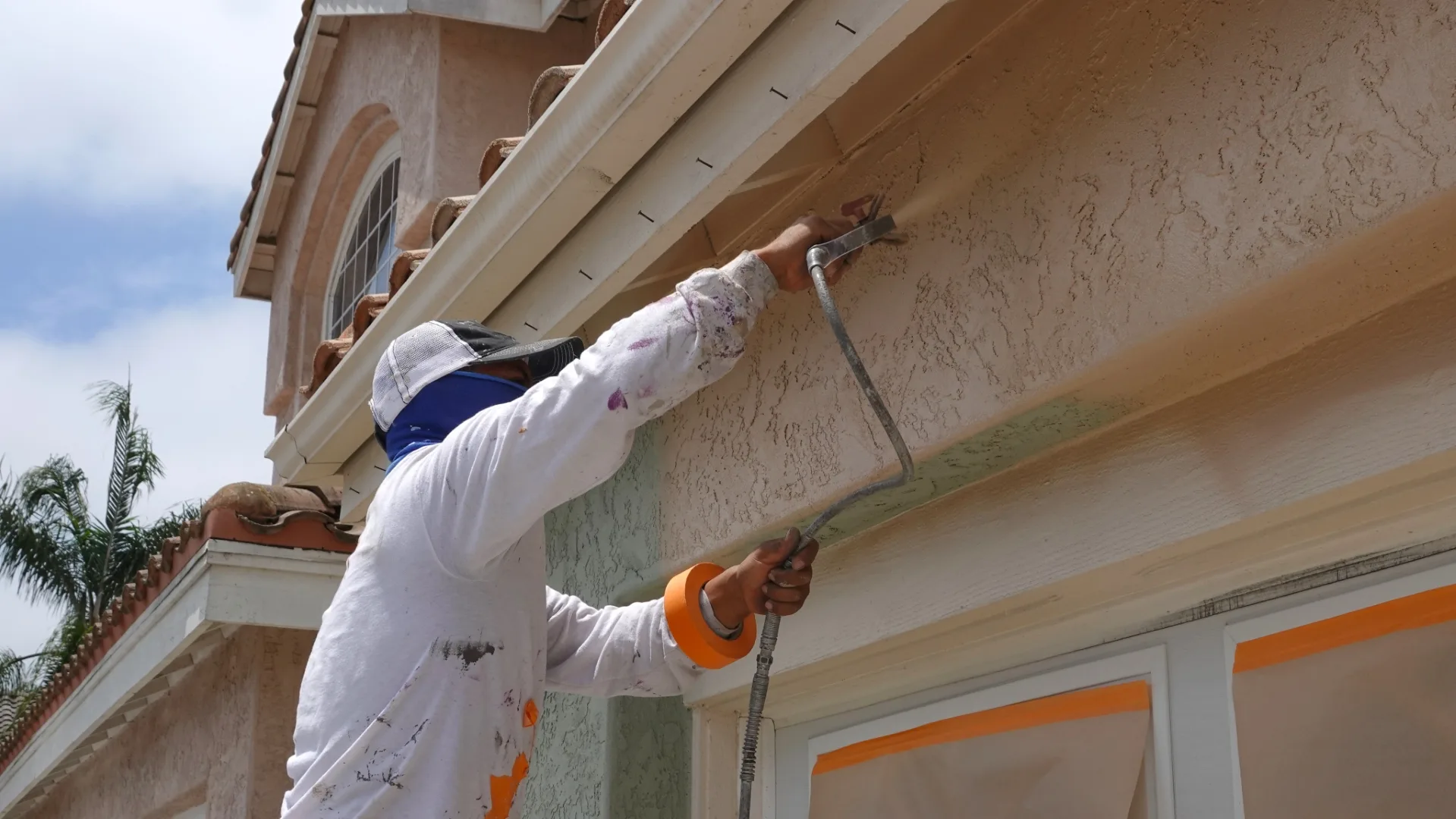
Hiring a professional painter will ensure that the exterior is properly covered and prepped. Commercial painters have proper experience, primers, and tools to make sure your paint lasts. Professionals go beyond just applying the paint; they meticulously prepare the surface, apply different types of paint with different tools, and help the home have a uniform appearance. Hiring a professional also saves homeowners from climbing on unsafe ladders, reaching with short paint rollers, and straining their bodies to achieve full coverage. Spending a little more can help protect you from injury and ensure longer-lasting exterior protection.
Professional Painting From Brush Brothers Painting
Brush Brothers Painting can help transform the exterior and interior of your Utah home with our painting experience. When working with us, you will have peace of mind knowing your home is protected and makes a good first impression. With our attention to detail, quality, and color, you will have a home that you love for years to come. Book an estimate to protect your home and boost your curb appeal.