
Paint bubbling is a frustrating and unappealing problem that can happen to old layers of paint or even newly applied coats. Many homeowners and landlords deal with paint that is blistering and lifting away from interior walls, creating unsightly bumps and uneven surfaces inside their house. This occurs when the top layer of paint loses its adhesion to the surface below, either from dust beneath the finish, moisture trapped underneath, or heat that loosens the bond.
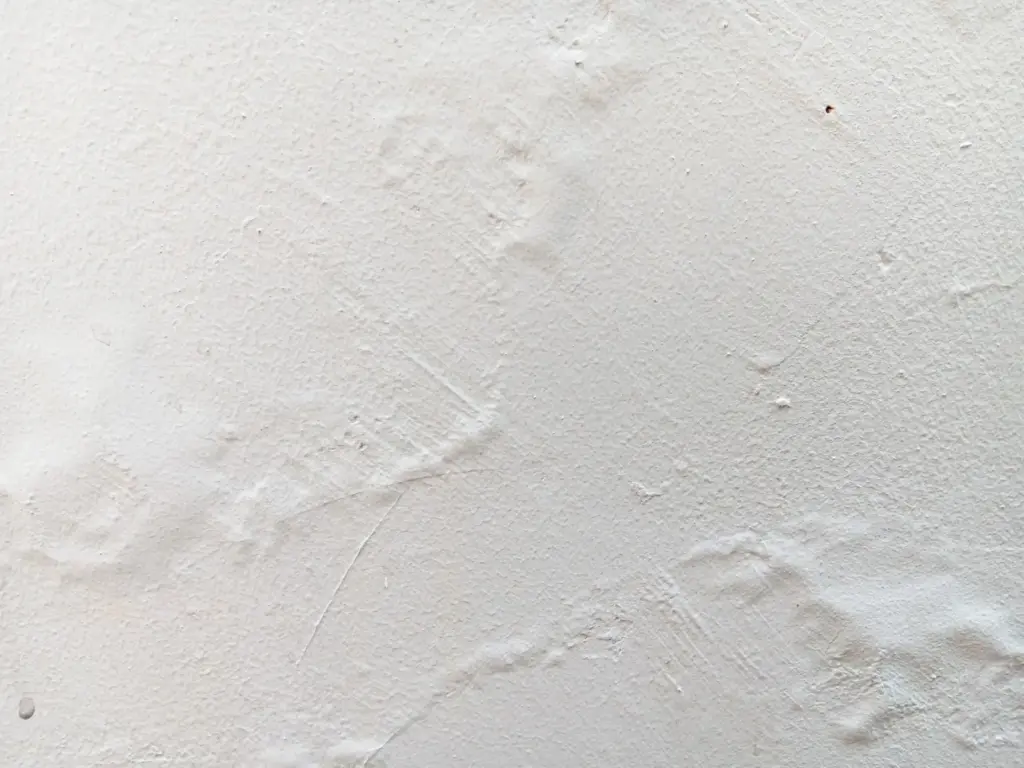
If left untreated, paint bubbling can lead to peeling paint, mold growth, and damaged surfaces. Treating bubbled paint, taking measures to prevent it from forming, and understanding the leading causes can help you to protect your walls, catch leaks or mildew quickly, and maintain your home’s appearance. Read more to discover the ins and outs of paint bubbling, how to repair paint that has lifted, and how Brush Bothers Painting might help.
The Downsides of Bubbled Paint
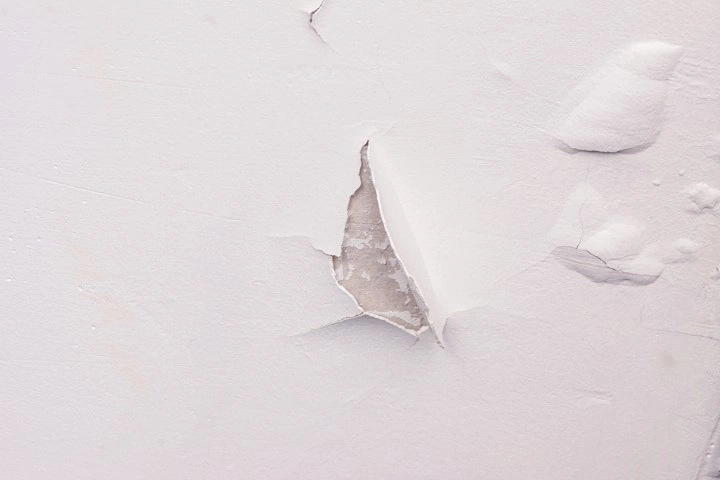
When paint is bubbling off of the wall, it indicates the breakdown of the paint bonding and can often be a sign of a greater underlying problem.
- Peeling and Wear Over Time: When the paint bubble pops, the paint leaves open holes and starts to peel away. The surfaces that lie beneath are exposed to dust, moisture, and physical damage. These broken sections of paint require more effort to repair, like stripping, sanding, priming, and repainting.
- Leaks and Moisture Build-up: Bubbled paint is often formed by water or high humidity behind the coating. This can be a sign of plumbing leaks or poor ventilation in the house.
- Structural Damage: Moisture that is trapped under the paint weakens the drywall and wood underneath, leading to rot and breakage over time.
- Mold and Mildew: Mildew and other kinds of mold easily grow out of sight with water stuck underneath the top paint layers, rotting the walls and posing a risk to the residents’ health.
- Compromised Value: Paint bubbling on your home’s exterior badly affects the house’s curb appeal, and bubbled paint on either the inside or outside of your home can lower its property value.
Common Causes of Paint Bubbling
Paint that lifts from its base surface and starts to form bubbles, or blisters, can be caused by a number of factors, the most common including:
- Different Mediums of Paint: Using water-based, or latex, paint directly on top of an oil-based paint, like alkyd, without the right paint primer in between layers can lead to bubbles and cracking paint.
- Improper Surface Preparation: Failure to remove dust, wax, or grease along the walls before painting can keep paint from fully adhering to the surface underneath. Sometimes referred to as “the landlord special,” painting directly over larger objects like clumps of hair, pieces of tape, or even outlets will lead to big bubbles and peeling paint.
- High Heat and Strong UV rays: Applying layers of paint in really hot weather or directly under harsh UV rays causes the top finish of paint to dry up too fast, trapping air underneath.
- Trapped Moisture: Condensation and water build-up from leaks or high humidity loosen the paint bond and cause it to peel or bubble. This is common in rooms with running or boiling hot water, like bathrooms or kitchens.
- Rush Jobs: If you recoat too soon, by putting a layer of paint over a fresh layer that is still drying, the moisture from the wet paint gets trapped beneath and leads to the paint bubbling.
- Slick and Fine Surfaces: If you skip steps like sanding and adding bonding primer to glossy or oil layers, the new paint has less surface area to bond to and can lift more easily.
Fixing Cracks and Bubbles Step by Step
Repair your bubbled paint and prevent it from spreading with these techniques:
- Clear Away Damaged Paint: Use a scraper or other flat tools to remove all bubbling, cracked, or peeling paint until the surface has a smooth edge.
- Check For Underlying Moisture: If the bubbles are caused by a leak, condensation, or dampness, repair the leak and let the whole area dry before further action.
- Prime the Surface: Smooth out the rough edges of the paint chips to sit flush with the surface by using a sanding block or 180-grit sandpaper.
- Patch Exposed Areas: Use joint compound or a thin coat of spackling to even out the exposed surface with the layer of paint.
- Clear Away Dirt: Clean the surface by wiping away all dirt, dust, oil, or other residue with a soft cloth, mild cleaner, and water. Ensure the surface is completely dry before moving on to the next step.
- Use a Quality Primer: Prime the bare surfaces with a bonding primer to enhance paint adhesion.
- Apply a Thin Topcoat: Use a compatible paint to add an even topcoat in a mild climate. Avoid rainy or extremely hot days.
Professional Painting Solutions With Brush Brothers Painting
Whether you’ve got paint bubbling to be fixed, wallpaper to be removed, or wood that needs staining, Brush Brothers Painting has the solution for you. With dedicated experts and high-quality products, we are the team for you. Contact us to learn more about our services today!